
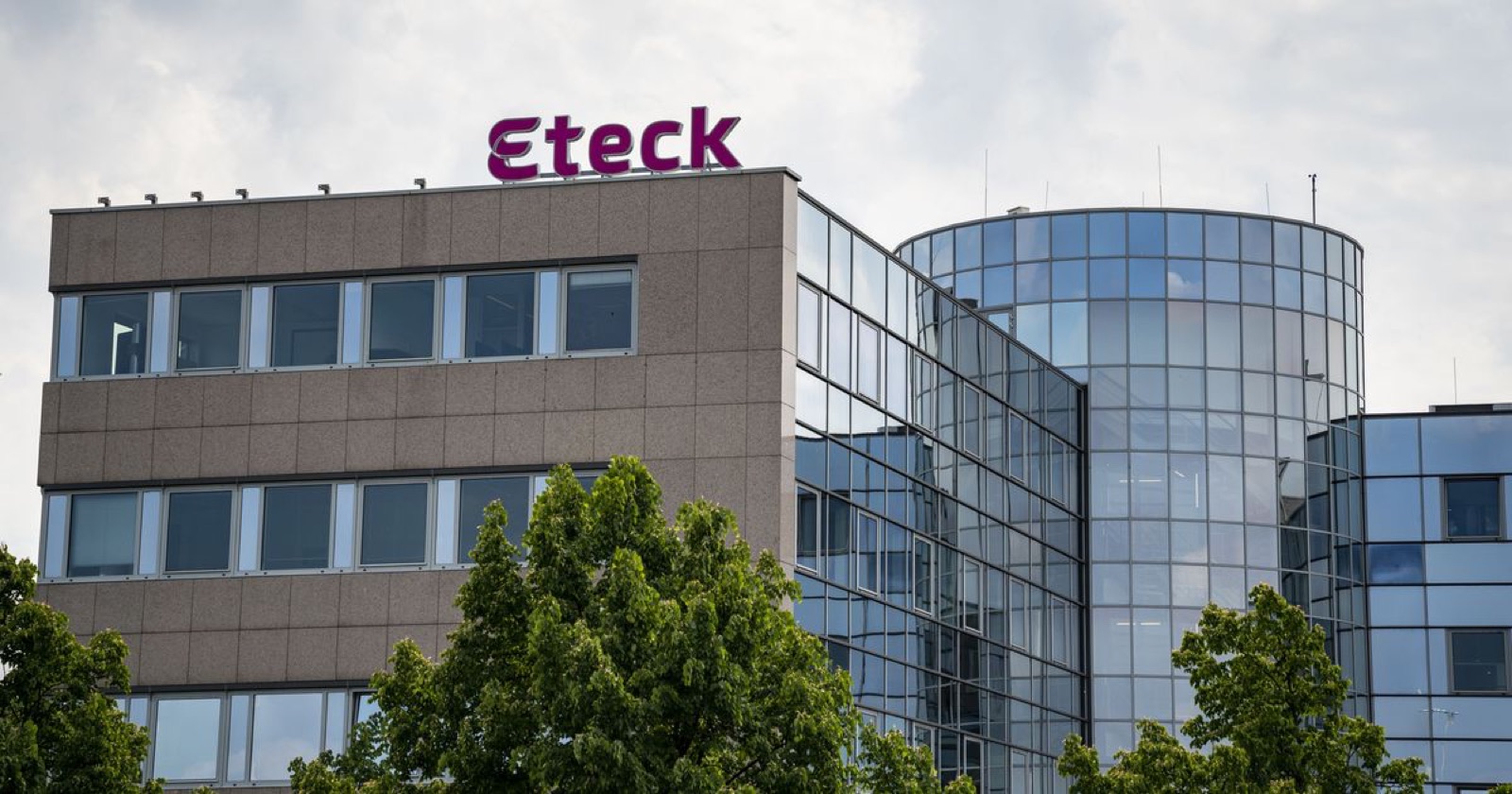
Energy / Compliance year 2025
Modernizing sustainability reporting
How Palau empowers CSRD implementation at Eteck
“For us the DMA module is most important because it really is helping us documenting and evidencing our DMA process which will make it auditable.”
Challenge
Before Palau, Eteck faced significant challenges in managing their ESG reporting, dealing with manual processes and complex data management across multiple systems.
Current process
- Managing 150-200 questionnaires through manual Excel processes
- Coordinating data collection across SharePoint and email
- Dealing with inconsistent data entry and formatting issues
- Lack of structured framework for sustainability reporting
- Complex stakeholder communication requirements
Key challenges
- Manual management of 150-200 questionnaires
- Fragmented data collection systems
- Inconsistent data formatting
- Complex law book interpretation
- Difficulty maintaining data warehouse accuracy
Solution
Implement Palau as their central platform for CSRD reporting, bringing structure and automation to their sustainability reporting process while preparing for 2025 requirements.
Results
- Structured DMA process: implemented a clear, auditor-approved double materiality assessment
- Improved data management: better organization of disclosure requirements and data points
- Enhanced workflow: streamlined assignment and tracking of sustainability tasks
- Future-ready: prepared for FY2025 CSRD reporting requirements
- Audit-ready: created documented, traceable reporting processes
The Eteck story
Nico's journey began with ESG reporting for Eteck's private equity shareholder, managing detailed questionnaires and benchmarks. The traditional approach involved manual processes that proved increasingly challenging as requirements grew more complex.
“I think Eteck we at that time had questionnaires that basically give 150, 200 questions. They were all basically the questions were formulated and there were some guidance on how to answer them. But then you had to manually get all that information from the organization,” Nico recalls.
The Palau moment
The transition to Palau came from a need to streamline and structure the CSRD reporting process. While Eteck had existing systems for tracking energy consumption and emissions, they needed a more comprehensive solution that could handle the full scope of CSRD requirements.
How Eteck uses Palau
Eteck uses Palau to manage their CSRD reporting requirements, with a focus on structured assessment and data management processes.
Double materiality assessment (DMA)
The DMA module has been crucial for Eteck's implementation. “For us at the moment the DMA module is most important because it really is helping us documenting and evidencing our DMA process which will make it auditable,” says Nico.
Data point management
Palau helps Eteck manage disclosure requirements and data points systematically, assigning them to appropriate team members and tracking progress. The platform's AI capabilities assist in drafting initial disclosures based on company policies.
Audit support
The platform provides a structured approach that auditors appreciate. “We aligned with our auditor on how they want to audit our DMA approach. And they really like the way we do it using a tool like Palau,” Nico explains.
Looking ahead
Nico sees Palau as instrumental in their transition from project-based sustainability reporting to an operationalized, ongoing process. “It's moving out of a project kind of organization and we can really operationalize it. And I think that's the only way to make it lasting and stick in the company,” says Nico.
The focus is now on integrating sustainability more deeply into financial planning. “Personally, with my finance background, I see a lot of added value in bridging or basically making sure that sustainability gets embedded in the financial planning and so that your sustainability plans aren't built in isolation.”